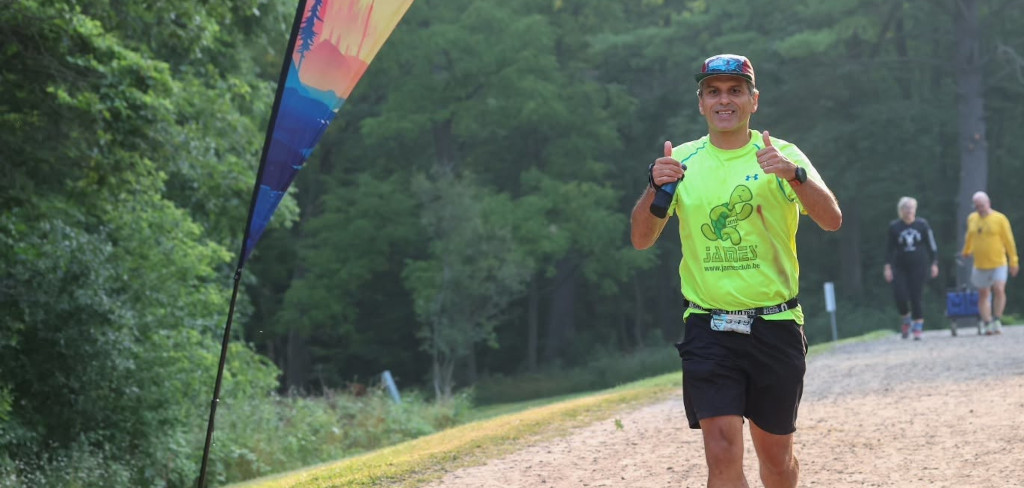
Tally in the Valley 12 Hours Night Race
By Hildeberto Mendonca
Saturday, August 1, 2026
My main goal with this race was to learn how I would feel and what the challenges are of running at night. I also wanted to complete at least 1 lap per hour and cover a total of 80km or more.
I'm excited that Happy Trails Racing put in place a race like that. They are lean and well organized. Tally in the Valley this year was no different. All details were in place to provide an impeccable experience for runners, no matter the distance or the time on trails.
The race consisted of running laps in a 7 km loop. The loop was a combination of interconnected trails in the Dundas Valley Conservation Area in Hamilton. They were not technical, but pretty runnable, and mixed between gravel, dirt, and grass. The course changes direction every year; this time it was counterclockwise, which means relatively flat for the first 3km and hilly for the rest.
A runner finds the only aid station available every 7 km, located at the start of the loop, and a water station 4 km from the start. The options available at the aid station are pretty good, especially during the night, with more warm options. Hydration includes electrolytes, Coke, and ginger ale, in addition to water. But meeting the excited volunteers is really what fuels your race.
Before the Race
We left the house in a hurry that morning, and I ended up forgetting a few items for my race. I learned after that those items definitely impacted my performance. I forgot 3 hand water bottles, an extra pair of socks, and a foldable glass of water. I had to improvise and have some luck, which was not ideal.
I hadn't taken enough naps during the day to offset the sleep debt I was going to accumulate through the night. Instead, I had to drive for 3 hours to attend the Ontario Open Water Swimming Championships, where my older kid was competing. The only nap I had was for a few minutes, on the grass of a park, below a tree, with the noise of kids playing around and the speaker announcing the heats and results.
We arrived at the Dundas Valley Conservation Area 1:30 h in advance. The parking lot was busy, but not full. So we had enough time to park in a good spot, pick up my race kit, mount our tent, set up for the race, do a last visit to the toilet, and stand at the start line, all without hurrying up. My family was not crewing me, but they decided to stay through the night since their races were scheduled to start early the next morning.
During the Race
The 12 h Night runners were sharing the trail with The Gong Show runners. That's a race that follows the Backyard Ultra format, but with a longer loop. At 8 pm, we started together; they left for another less-than-one-hour loop, and we left for our uninterrupted 12-hour journey.
Involuntarily pushed by other runners, my pace was way faster than what was planned. My primary goal was to complete 12 laps in 12 hours. It meant maintaining a maximum pace of 8:34/km, but I was running under 6:00/km. In such a long race, it doesn't really matter because I knew I would have many ups and downs. When I finished the first lap, runners started to dissipate. The ones in The Gong Show completely stopped, waiting for the next hour; others from the 12 h took their time at the aid station or with their supporting crews. That's when I started running alone, with a more realistic pace.
I completed the first 6 laps, 42 km, under 1 hour per lap. It accounted for 822 m of elevation gain. I thought I managed my nutrition and hydration well, but it was not enough to prevent my first low. I had to walk for 2 km in a runnable section, using that time to eat solid foods, chat with other runners, and give my legs some time to recover. It worked, but I wouldn't complete any of the next 5 laps under 1 hour. I tried using poles, but they actually slowed me down. I tried to push through the pain, but I couldn’t go as fast as before.
At 6:40 am, I still had 1:20 h left to fit in a final loop, my 12th one. I felt relieved I would be able to make it, so I went for it, excited. It translated into a 58 min lap, with 20+ minutes to spare. 12 x 7 km also gave me 84 km in my legs, exceeding my original goal by 4 km.
After the Race
While running through the night, I didn't feel any need to sleep, but one hour after finishing the race, my tiredness hit me hard. I struggled to keep my eyes open, constantly trying to find a position to relax in my camping chair. But something awakened me unexpectedly - a message from a friend on my phone: "I think you won an award!! I heard them calling your name, congratulations!" I got up and went stumbling back to the finish line with what was left of my sore legs. On my way, I ran into some friends who said I had come in third place among the men! I talked to the race director, who gave me the first award I ever earned in a running race.
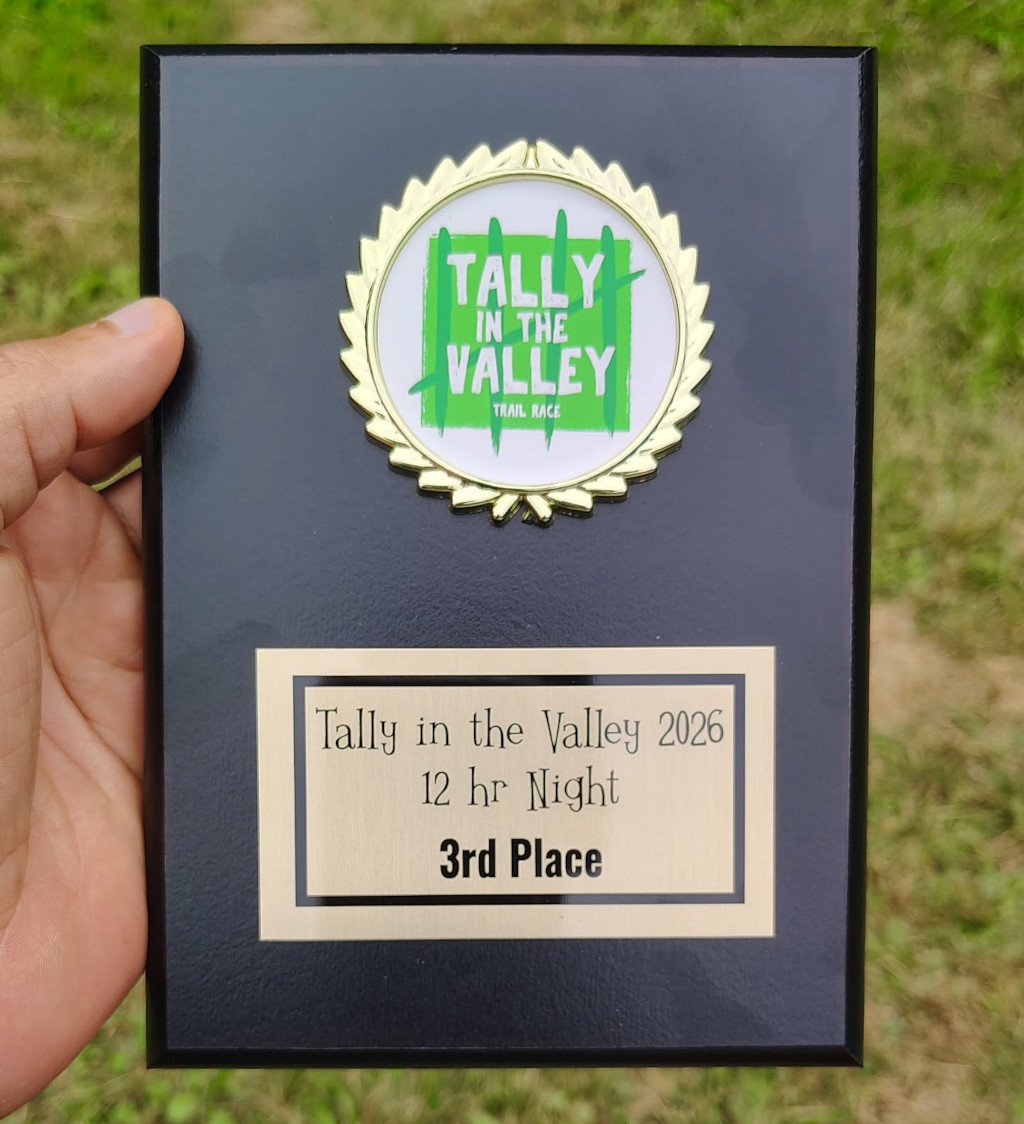
I was proud, but the most important feeling was seeing the excitement of my family as they watched me earn that award. The example I'm passing to them is the best award I can earn.
Lessons Learned
This race was physically and mentally tough for me. Seeing the same course over and over again is not fun. The experience of running a loop is completely different than a point-to-point course. So, I had to have a strong mind to go through the boredom. It took me 5 days to be able to run again, which is my longest recovery period so far. But I'm happy that it didn't result in any injuries, just soreness.
Here are some lessons learned that I carry with me to other races and probably the next edition:
-
Running with poles in non-steep terrain is not worth it. They slowed me down during the two laps that I carried them.
-
I had a nutrition and hydration plan, but it was hard to execute without assistance. The race gave me brain fog, and I couldn't reason well. I certainly need a crew in races that take more than 6 hours to help me with my plan.
-
My headlamp was reliable all the time, but having an extra one as a backup would save me from a complete blackout if it eventually failed. It's pretty dark out there.
-
Walking the uphills and running the flats and the downhills is still a good strategy. That's why it is so important to train downhills, to compensate for the slow uphills.
-
Running all night is really not a big deal. The headlamp was enough to highlight all the obstacles. The adrenaline kept me awake.
-
Building and going through a proper checklist is very useful to avoid forgetting things.
Quebec Mega Trail 80 2026
Just like the 50 km I did last year was not a normal 50 km distance we run elsewhere, the 80 km is not a regular one in QMT 80. It is tough. It requires planning, logistics and strategy. That's why I love QMT. It gives the mental preparation to face any other callenges. With proper physical training, nothing else can stop you.
ReadENDURrun Ultimate 2026
Some races are not about a single effort, but about stacking one effort on top of another, day after day, until the body and mind have nowhere left to hide. That's the promise of the ENDURrun, now in its 21st edition, a multi-stage race through the Region of Waterloo that challenges runners to cover 160km across 7 stages in 8 days. Unlike the Sport edition I ran in 2023, which totals 80km, the Ultimate edition doubles the distance, pushing closer to a week of racing 100 miles.
ReadTally In The Valley Trail Race 2026
Saturday, July 25, 2026
The Tally In The Valley Trail Race is one of southern Ontario's best-known trail running events, held each summer in the Dundas Valley Conservation Area near Hamilton. Organized by Happy Trails Racing, it's designed to welcome everyone from first-time trail runners to experienced ultramarathoners.
More Experiences
The Devil's Key Trail Race 2026
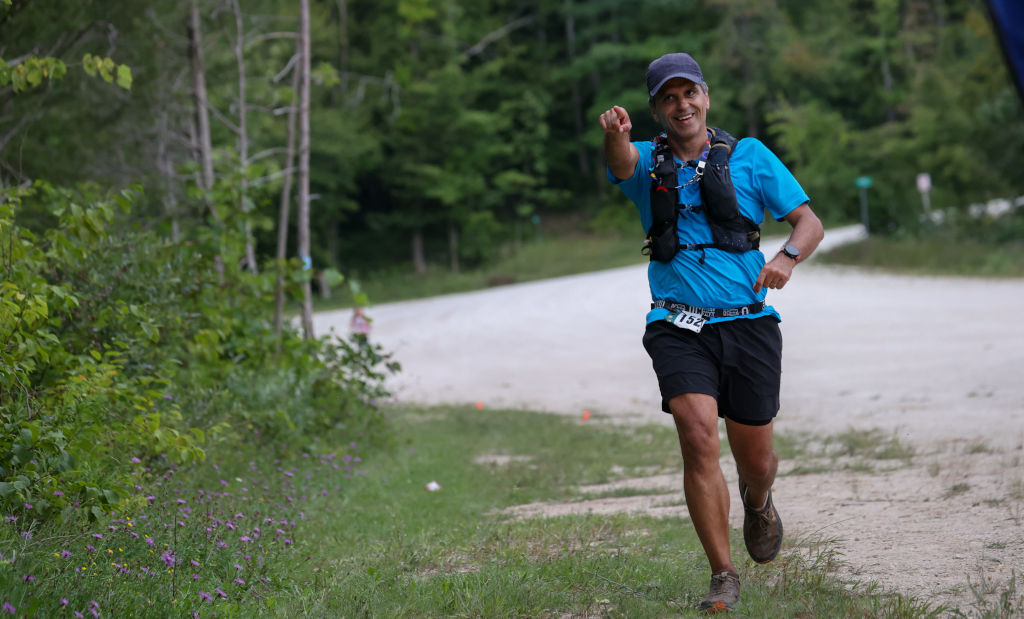
The Devil's Key landed exactly one week after finishing ENDURrun Ultimate 2026, and the days between were not the taper I needed — I spent most of them sick, still fighting off the viral infection that caught up with me during that race. By the morning of the start, at Devil's Glen Country Club in Duntroon, I'd already regretted signing up for The Devil's Key more than once. 66.6km on the Bruce Trail, my second time on this course, was waiting anyway.
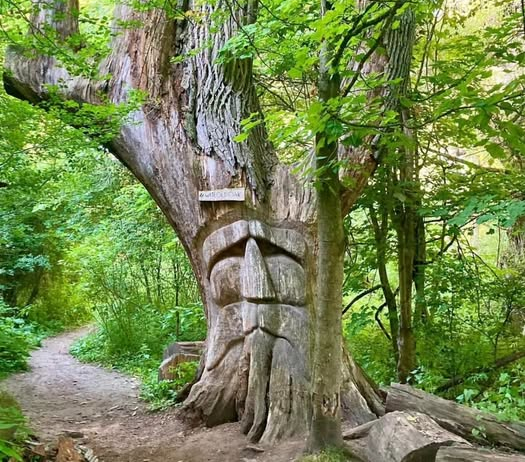
The Best Trails in the Waterloo Region
As a trail runner, I have a special relationship with the trails in our region. These is a compilation of the best trails I know.
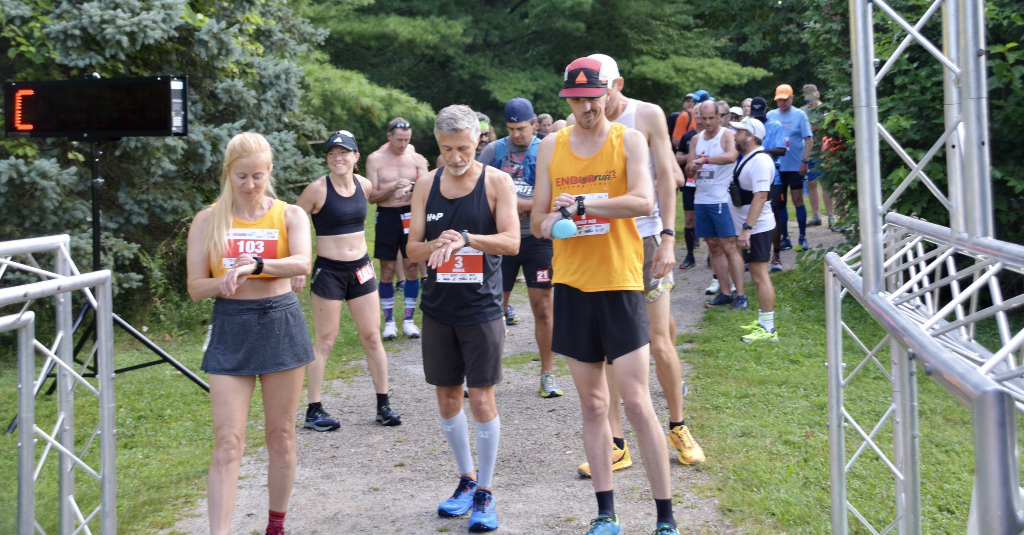
ENDURrun Ultimate 2026
Some races are not about a single effort, but about stacking one effort on top of another, day after day, until the body and mind have nowhere left to hide. That's the promise of the ENDURrun, now in its 21st edition, a multi-stage race through the Region of Waterloo that challenges runners to cover 160km across 7 stages in 8 days. Unlike the Sport edition I ran in 2023, which totals 80km, the Ultimate edition doubles the distance, pushing closer to a week of racing 100 miles.
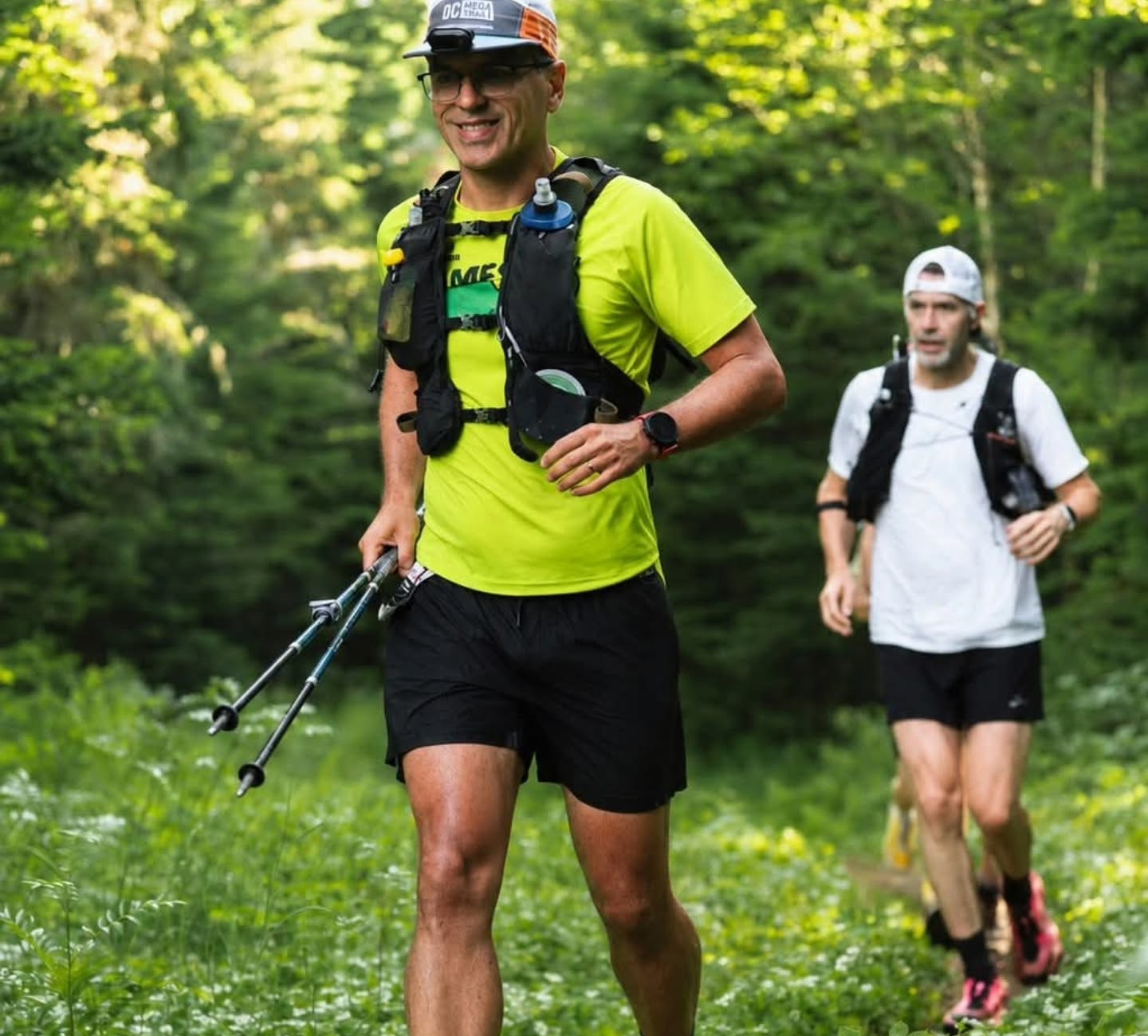
Quebec Mega Trail 80 2026
Just like the 50 km I did last year was not a normal 50 km distance we run elsewhere, the 80 km is not a regular one in QMT 80. It is tough. It requires planning, logistics and strategy. That's why I love QMT. It gives the mental preparation to face any other callenges. With proper physical training, nothing else can stop you.
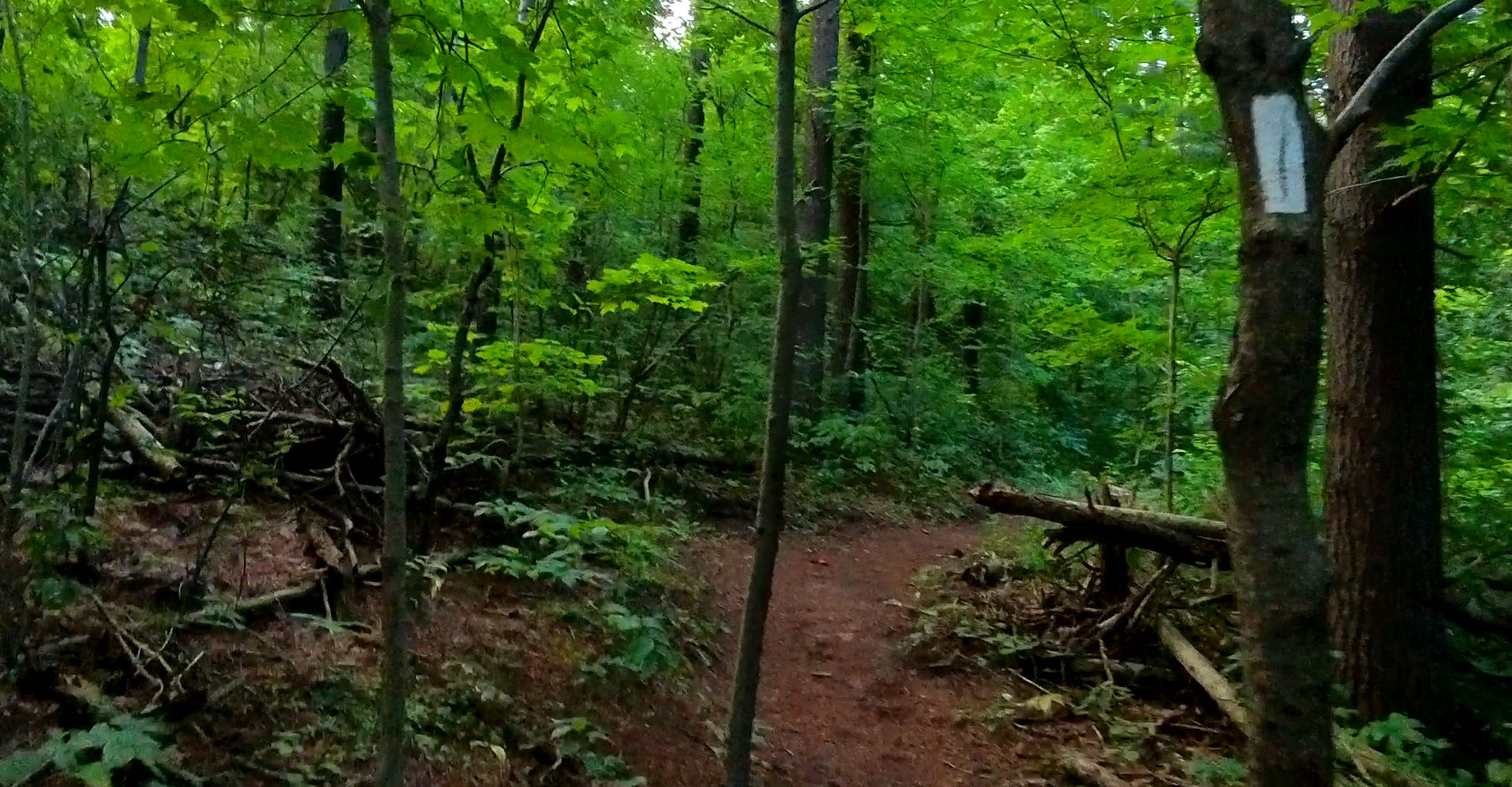
The Best Hills in Waterloo Region
These are the top 6 hills in Waterloo Region, where you can train for your next race, from cross-country to ultra-distances