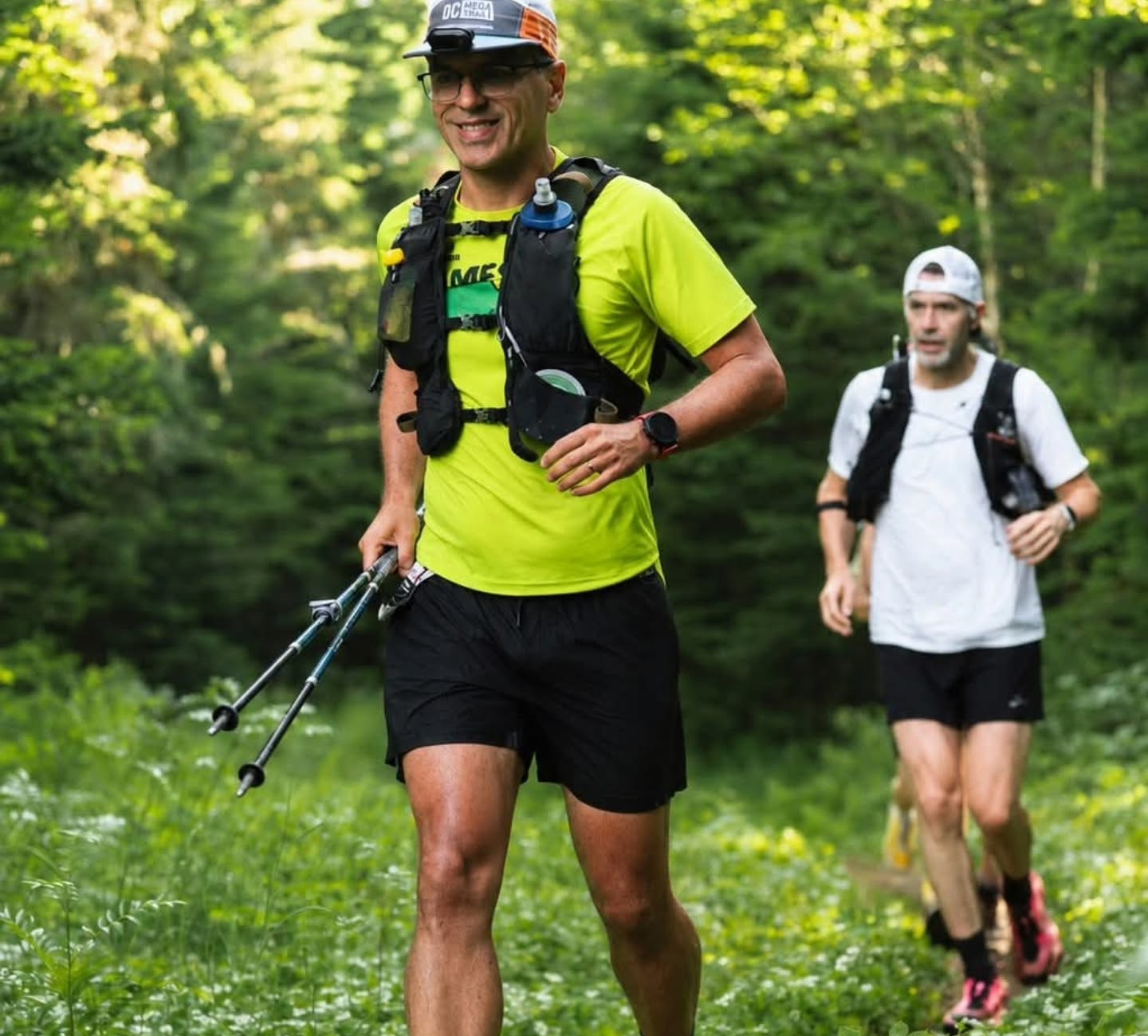
Quebec Mega Trail 80 2026
By Hildeberto Mendonca
Sunday, July 5, 2026
The 80 km you run at QMT is not a regular 80 km you run elsewhere. It is tough. It requires planning, logistics and strategy. That’s why I love QMT. It gives the mental preparation to face any other challenges. With proper physical training, nothing else can stop you.
QMT80 required a little more planning than the 50. We went to Beaupré a week before to try some sections of the course. I wanted to hike the Mestachibo trail, the last section of the race, which I would potentially do in the dark. I went with my family, and it turned out to make a huge difference in my race.
I took the day before the race to rest, doing several small naps throughout the day. I needed to wake up at 2 am the next day to gear up, then take the shuttle to the start at 3 am, and race at 5 am. The naps were important to make up for the brief night of sleep that preceded the race.
At the start line, we had a panoramic view of what awaited us. The beach at Petite-Rivière-Saint-François was just a narrow strip of land separating the Saint Laurence River from the ski mountain. The dense vegetation covered the gruelling technical trail that guided us to the top of the Le Massif. I had my drop bag with me, with all the items I needed at Saint-Tite-Des-Caps, and left it with volunteers, who collected it in a truck. We also had enough washrooms and a water fountain to hydrate without consuming from our own bottles.
My plan was simple: walk the hard uphills, jog the soft uphills in small strides, and run the flat and the downhills. I had it stuck in my mind because that’s how I trained. I knew exactly the feeling in my legs that signalled switching to walking and back to running to optimize energy economy. What I didn’t know was whether this plan would work for my largest distance to date.
Start to Le Massif
The first 2 km on road gave everyone one last chance to run shoulder to shoulder before the trails swallowed the field. Then came roughly 12 km of technical, steep singletrack, mostly uphill and walked - the trail was too crowded early on to do anything else. I brought my poles, but I was using them for the first time. They helped a lot, even when I was not sure I was using them correctly. I only found room to run when approaching Le Massif. Despite the elevation, I still felt fresh at the top. Carrying 1l of fluids (2 flasks) was enough for the climb, but I had an extra empty flask to be used later on.
Le Massif to Cap-Du-Salut
This stretch was fast, small ups and downs, more downs than ups, and mostly runnable. Still comfortable on 1l of fluids. Cap-Du-Salut lived up to its reputation - a great atmosphere, full of young volunteers partying at the aid station. They were all wearing clothes and accessories in the colours of Quebec, playing and singing French music.
It was a quick visit for refuelling. I knew things would get harder, so I filled my third flask, just in case, and ran while the elevation was still manageable.
Cap-Du-Salut to Cap-Gribane
This turned out to be one of the hardest sections, despite the lower elevation compared to the first climb. My energy level was already lower by then, and around 31 km the terrain turned to mud, technical and unrunnable for long stretches. I was glad I filled all three flasks because I took every single drop of them, quite close to the next stop.
People parked around looked way more exhausted. They didn't seem to be in a hurry to leave. I sat down to eat some chocolate I was carrying, then I filled my three flasks again and moved on.
Cap-Gribane to Saint-Tite-Des-Caps
The longest section of the race, just as hard as the previous one. Steep, technical uphills hit around Km 46 and again near Km 49. Fortunately, the course opened up in a runnable stretch as we got closer to Saint-Tite-Des-Caps. Just before the aid station, we ran on a road and dropped into a flooded tunnel, with low visibility and water flowing up past the knees.
At Saint-Tite-Des-Caps, I grabbed my drop bag. Each item inside was like a To-Do list. I knew up to that point that my mind wouldn’t be reliable to know what I wanted, so as a simple rule, I just needed to do something with every item inside. I dried my feet, changed socks and shoes, reinforced the bug spray, wore the headlamp, ate some craving snacks, massaged my legs, filled up two bottles with electrolytes and left.
So that you know, that's the aid station with the highest number of DNFs. It is really tempting to stick around with families camping, kids playing, the smell of food, while picturing the most gruelling part of the course that is yet to come. 71 runners (27%) withdraw from the race. To put it into perspective, only 7% of the Ironman Ottawa participants didn't finish in 2026.
Saint-Tite-Des-Caps to Mestachibo
From this point, I was about to run the whole extension of the Mestachibo trail, which ends close to the finish line. Despite the low elevation profile on paper, this trail is extremely challenging, with several signs of danger, sharp rocks, tricky passages to overcome with the help of ropes, and short but steep ups and downs. It is barely runnable and feels more like an adventure. Also, you know a section is dangerous when there are first-aid crew hiking and camping there.
There was a caveat: I had to move as fast as I could to face most of the danger before sunset. Once in the dark, the attention would have to double.
I left Saint-Tite-Des Caps walking and remained that way for a long road uphill. I felt like my legs had just finished a marathon and had to go upstairs, soaked with lactate. Magically, my energy to run came back as soon as I stepped on the trail again. As the pain slowly drained, the speed increased, while my mind was distracted.
Like an action movie, the trail gradually gets more complex as we advance. The nicest parts are the bridge crossings and the stretches by the river. The further away from the river, the more suffering. But all that nature and the hiking with my family rewired my brain to enjoy the race, instead of fighting it. So, I sped up!
I moved fast, passing many people who had passed me before. I managed to reach the Mestachibo aid station before nightfall.
Mestashibo to the Finish
Recharged, I kept moving even faster, like I was in a hurry to finish. The poles were of great help to support my weight where it would be difficult to balance otherwise. It was time to turn the headlamp on. As a domino effect, many runners did the same, and it was beautiful to see those light spots moving across the darkness.
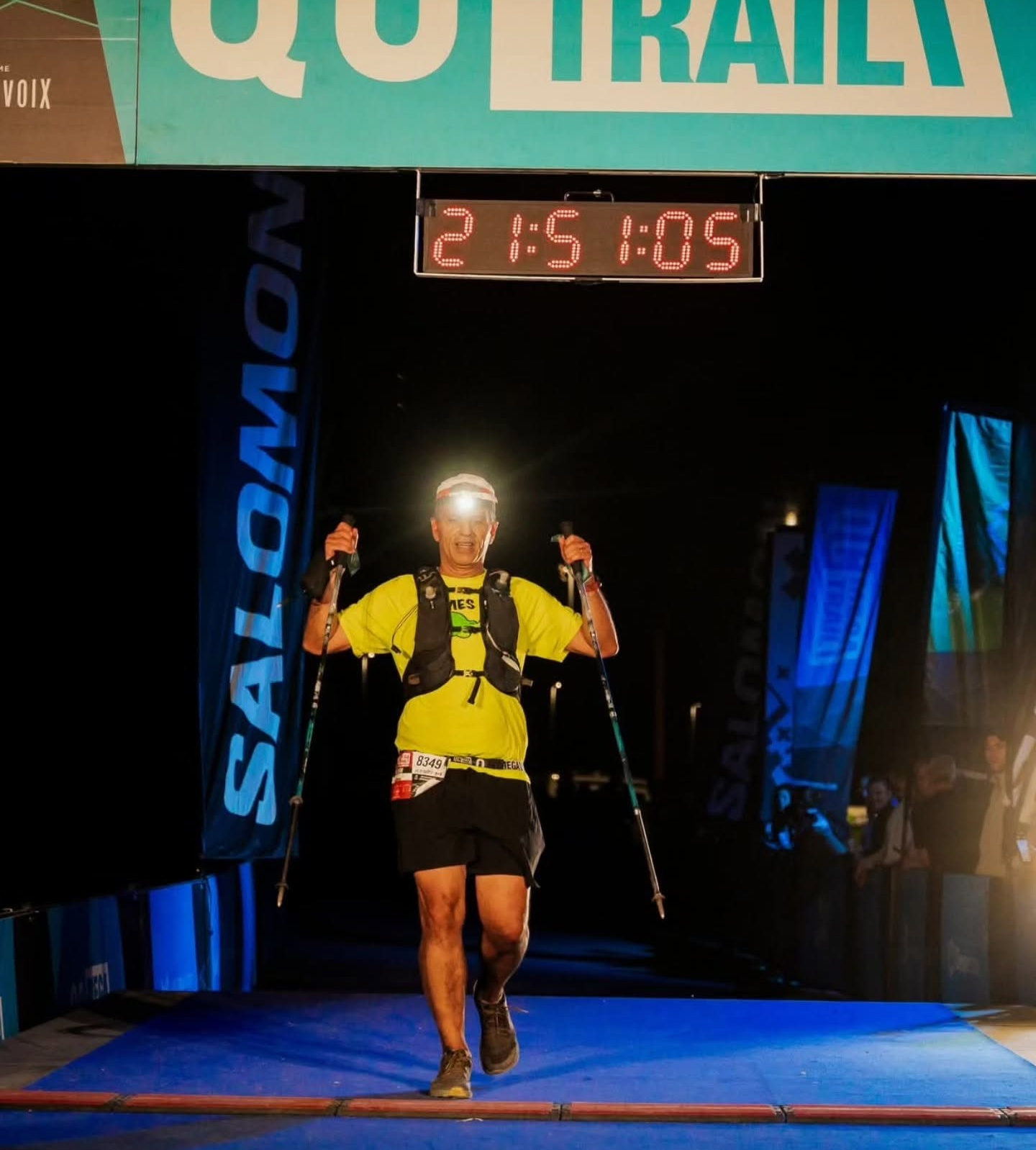
I was all happiness, yet humble, to finish my longest distance yet. When I crossed the finish line, I screamed: “Mestachibo, Je t’aime!”, making people laugh at my strange taste for technical trails. My family was waiting for me, and we went together to have a warm meal.
QMT Again?
That’s the third time I've run QMT in a row. Did I have enough? I question myself a month before the race, and during the tough parts of it, but I always change my mind after the finish line. This time it was no different, and I already signed up for the 2027 edition. I’m doing QMT80 again to see if I can do better, putting into practice all the lessons learned from this edition.
The Best Hills in Waterloo Region
These are the top 6 hills in Waterloo Region, where you can train for your next race, from cross-country to ultra-distances
ReadTally in the Valley 12 Hours Night Race
My main goal with this race was to learn how I would feel and what the challenges are of running at night. I also wanted to complete at least 1 lap per hour and cover a total of 80km or more.
ReadMore Experiences
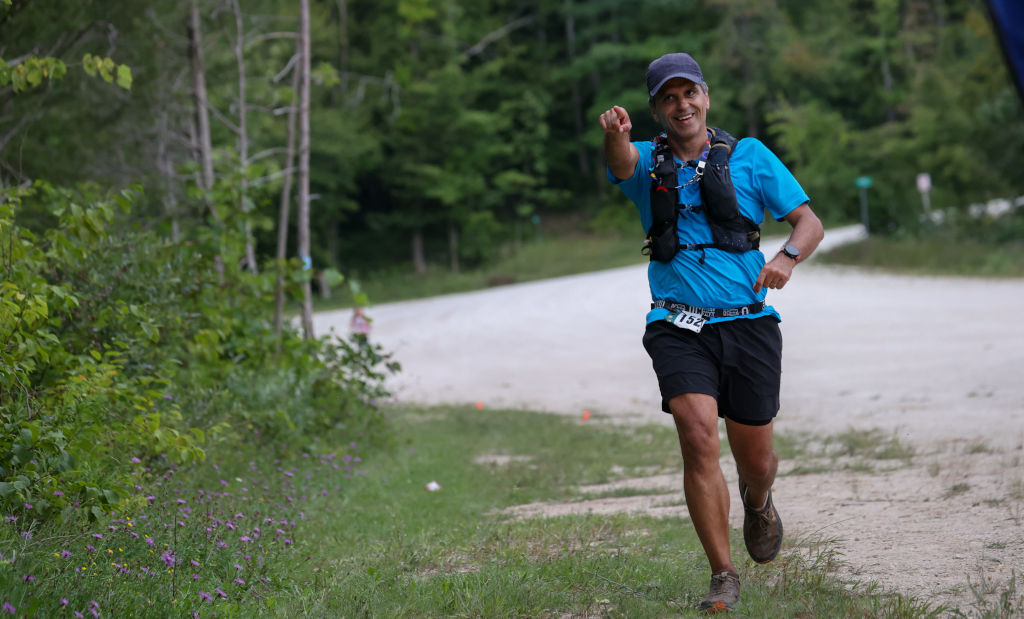
The Devil's Key Trail Race 2026
The Devil's Key landed exactly one week after finishing ENDURrun Ultimate 2026, and the days between were not the taper I needed — I spent most of them sick, still fighting off the viral infection that caught up with me during that race. By the morning of the start, at Devil's Glen Country Club in Duntroon, I'd already regretted signing up for The Devil's Key more than once. 66.6km on the Bruce Trail, my second time on this course, was waiting anyway.
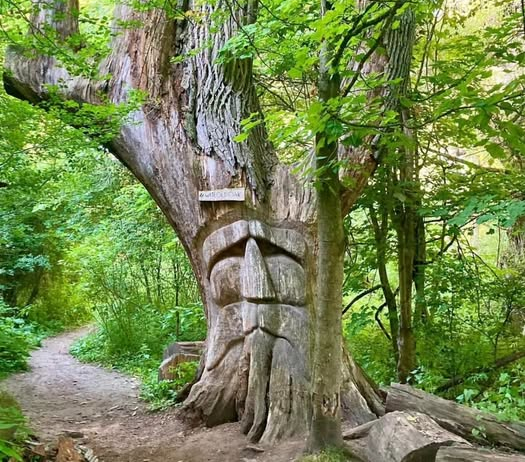
The Best Trails in the Waterloo Region
As a trail runner, I have a special relationship with the trails in our region. These is a compilation of the best trails I know.
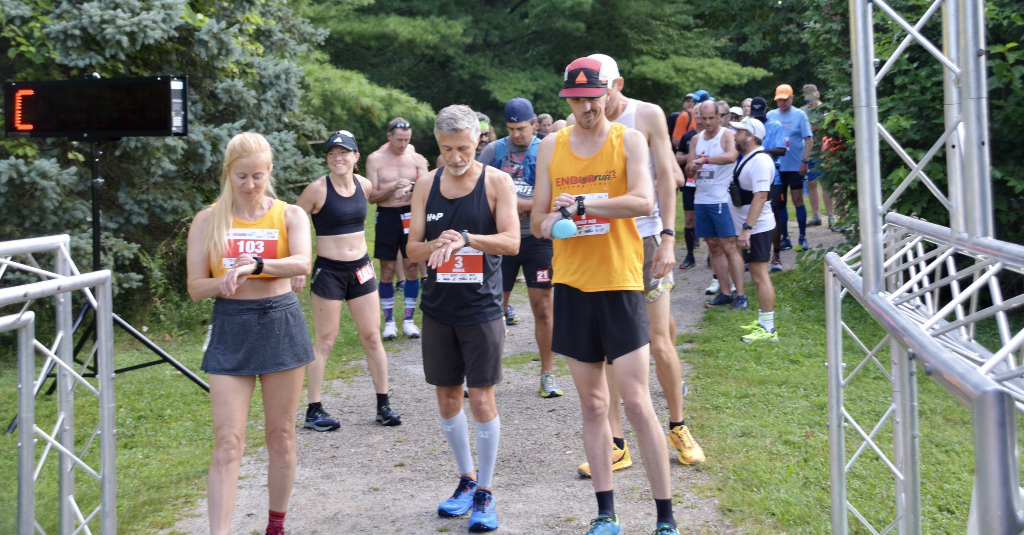
ENDURrun Ultimate 2026
Some races are not about a single effort, but about stacking one effort on top of another, day after day, until the body and mind have nowhere left to hide. That's the promise of the ENDURrun, now in its 21st edition, a multi-stage race through the Region of Waterloo that challenges runners to cover 160km across 7 stages in 8 days. Unlike the Sport edition I ran in 2023, which totals 80km, the Ultimate edition doubles the distance, pushing closer to a week of racing 100 miles.
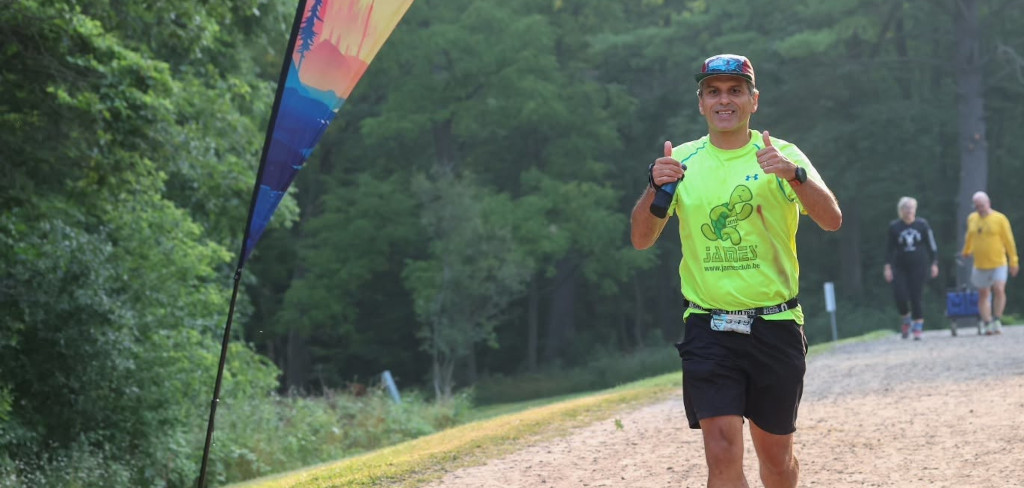
Tally in the Valley 12 Hours Night Race
My main goal with this race was to learn how I would feel and what the challenges are of running at night. I also wanted to complete at least 1 lap per hour and cover a total of 80km or more.
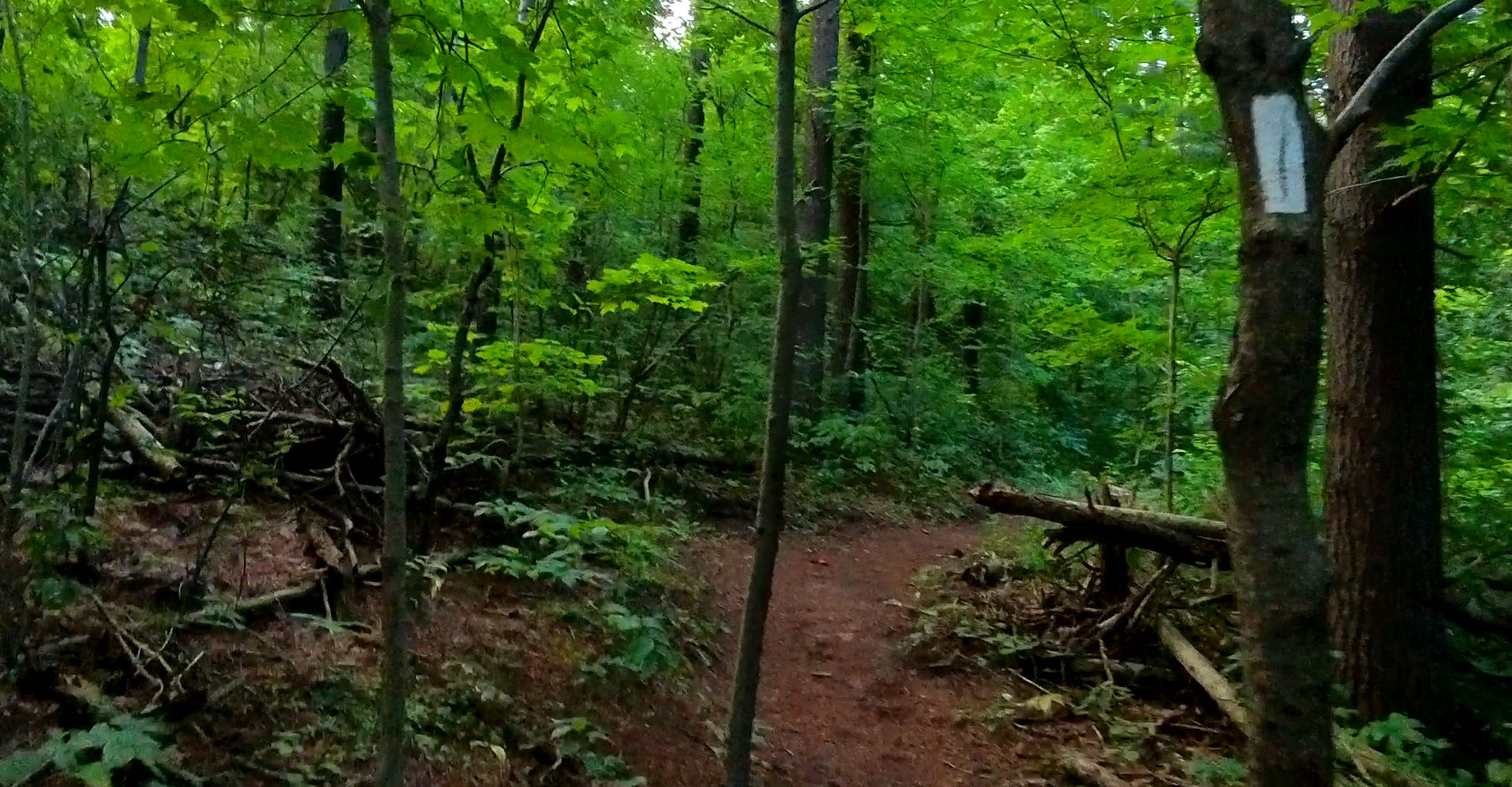
The Best Hills in Waterloo Region
These are the top 6 hills in Waterloo Region, where you can train for your next race, from cross-country to ultra-distances